
In today’s fast-paced manufacturing environment, companies across industries demand parts that meet the highest standards of accuracy, durability, and consistency. Advanced CNC engineering and custom metal fabrication services have become essential for businesses that need precision-built components, complex designs, and scalable production. These modern fabrication methods combine cutting-edge machinery with expert engineering to produce parts that consistently perform under demanding conditions.
This article explores how advanced CNC technology works, why custom metal fabrication is crucial today, and how both processes support industries that depend on quality, efficiency, and innovation.
What Is Advanced CNC Engineering?
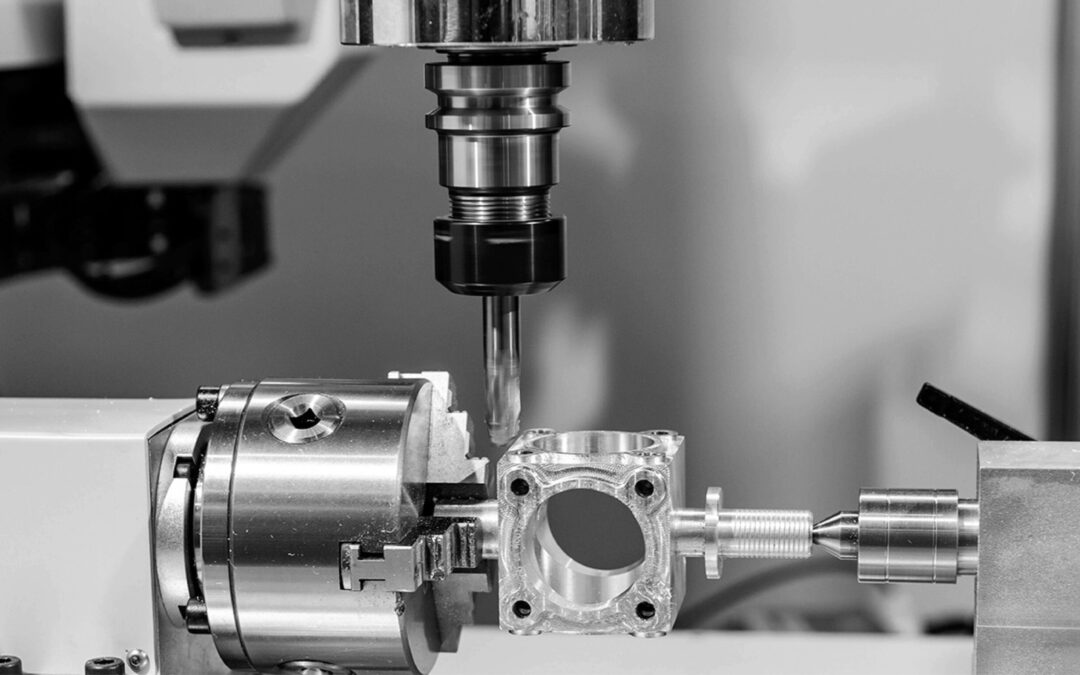
CNC engineering involves the use of computer-controlled machinery to create parts and components from metal, plastic, and other materials. Through software-generated programs, CNC machines precisely coordinate cutting tools, spindles, and motion controls to shape material into a final product.
Key capabilities include:
-
Micron-level accuracy
-
High-speed automated cutting
-
Multi-axis machining (3-, 4-, and 5-axis)
-
Repeatable production with zero deviation
-
Ability to manufacture complex geometries
Rather than relying on manual machining, CNC technology allows manufacturers to achieve consistent, high-quality results regardless of production volume.
Why CNC Engineering Is Essential for Modern Manufacturing
1. Precision and Repeatability
CNC machines follow exact digital instructions, meaning every cut, angle, and contour matches the original specification. This ensures flawless replication across hundreds or thousands of units.
2. Design Flexibility
Whether an engineer needs simple components or intricate 5-axis parts, CNC engineering can achieve shapes and cuts that traditional tools cannot.
3. Speed and Efficiency
With automated tool changes, high spindle speeds, and continuous operation, CNC machining dramatically reduces production time.
4. Enhanced Material Compatibility
CNC machines can work with:
-
Aluminum
-
Stainless steel
-
Carbon steel
-
Brass
-
Copper
-
Titanium
-
Plastics
-
Composites
This makes CNC engineering suitable for industries requiring both strength and lightweight materials.
5. Cost-Effective for Prototyping & Mass Production
Rapid prototyping reduces development time, while high-volume consistency keeps production costs stable.
Custom Metal Fabrication Services: Building the Components That Matter
While CNC machining focuses on automated precision shaping, custom metal fabrication includes a broader range of engineered processes such as:
-
Laser cutting
-
Plasma cutting
-
Metal forming
-
Welding
-
Bending
-
Punching
-
Assembly
-
Finishing and coating
Custom fabrication services allow manufacturers to create fully tailored solutions, from small components to large industrial structures.
How CNC Engineering and Metal Fabrication Work Together
Combining CNC engineering with metal fabrication creates a complete manufacturing solution. CNC machining delivers precision-cut components, while fabrication adds structural shaping, joining, and finishing to transform raw materials into ready-to-use products.
Examples of combined applications include:
-
Machinery components
-
Structural metal parts
-
Automotive and aerospace parts
-
Electrical enclosures
-
Medical equipment frames
-
Custom tools and fixtures
-
Production line components
-
Industrial brackets and housings
Together, these services ensure that every product meets exact specifications from start to finish.
Industries That Rely on CNC Engineering & Metal Fabrication
Aerospace and Aviation
High-performance aircraft parts require impeccable accuracy and durable materials—CNC engineering delivers both.
Automotive
Engine components, custom exhausts, suspension parts, and precision brackets rely on CNC machining and fabrication.
Medical Technology
From surgical tools to device housings, medical parts require tight tolerances and reliable performance.
Construction and Architecture
Metal frames, beams, panels, and custom architectural elements depend on durable fabrication.
Electronics and Telecommunications
Precision-cut housings, cooling components, and mounting solutions are all CNC engineered.
Industrial Manufacturing
Machinery components, conveyor systems, and custom equipment rely on both CNC and fabrication.
Benefits of Working With a CNC Engineering & Fabrication Partner
1. One-Stop Manufacturing
Having both CNC machining and metal fabrication in-house ensures seamless workflow from design to production.
2. Faster Turnaround
Fewer external vendors mean quicker lead times and improved production flow.
3. Superior Quality Control
Every stage, from machining to welding to finishing, is monitored by expert technicians.
4. Scalable Solutions
Whether you need one prototype or 10,000 units, CNC engineering provides consistent, efficient results.
5. Customization for Every Industry
Fabrication services allow full customization to match unique functional and aesthetic requirements.
The Future of CNC Engineering and Metal Fabrication
Advanced fabrication continues to evolve with:
-
AI-assisted machining optimization
-
Robotic welding and automation
-
Hybrid manufacturing (CNC + 3D printing)
-
Smart factory integration and IoT monitoring
-
More sustainable cutting and forming technologies
These innovations help manufacturers increase speed, reduce waste, and improve product quality.
Conclusion
Advanced CNC engineering and custom metal fabrication services provide the precision, innovation, and customization necessary to support modern industries. With unrivaled accuracy, fast production times, and flexible design capabilities, CNC machining and metal fabrication offer the tools needed to turn raw materials into finished products that meet the strict demands of today’s competitive world.