
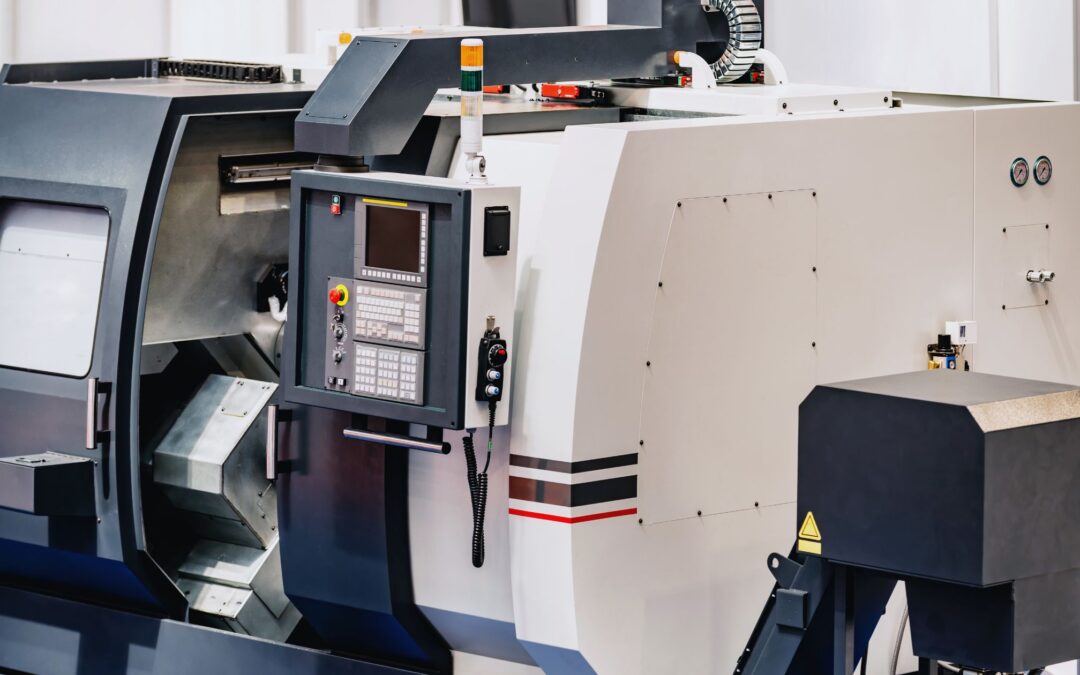
In a world where precision, speed, and reliability define success, high-quality CNC machining has become a critical component of industrial and commercial manufacturing. Whether producing custom components, complex mechanical parts, or large-scale production runs, CNC machining ensures accuracy and consistency that traditional methods simply cannot match.
From aerospace and automotive to construction and consumer products, businesses across all sectors rely on CNC machining to deliver parts that meet the highest engineering standards. This article explores what makes CNC machining so essential, how it benefits industrial and commercial projects, and why companies continue to depend on advanced machining technologies for mission-critical manufacturing.
What Is CNC Machining?
CNC (Computer Numerical Control) machining uses automated, programmable systems to shape and cut materials with unmatched precision. Engineers create 3D CAD models that CNC machines follow to produce components with exact specifications.
CNC technology is used to shape a wide range of materials, including:
-
Aluminum
-
Steel & stainless steel
-
Titanium
-
Brass & copper
-
Plastics
-
Composites
With multi-axis milling, turning, drilling, routing, grinding, and more, CNC machines deliver smooth, accurate, repeatable results in every production cycle.
Why High-Quality CNC Machining Is Essential for Industrial & Commercial Work
1. Superior Precision and Accuracy
Industrial and commercial projects require parts with exact tolerances—sometimes down to microns. CNC machining ensures consistent precision across all units, reducing the risk of component failure and improving overall product reliability.
2. Faster Production and Shorter Lead Times
Automated machining processes minimize downtime and increase output. Once a program is set, CNC machines can operate continuously, providing rapid turnaround on both prototypes and large production runs.
3. Excellent Repeatability
For commercial products that require identical components, CNC machining ensures every part is produced to the exact same specifications, regardless of volume.
4. Optimized for Complex Designs
Modern CNC machines, especially 4-axis and 5-axis systems, can manufacture intricate shapes and detailed geometries that are impossible to achieve with manual machining.
5. Cost-Effective for Large and Small Batches
CNC machining reduces waste, increases workflow efficiency, and minimizes labor costs—all while delivering high-quality results.
Types of CNC Machining Used in Industrial and Commercial Manufacturing
1. CNC Milling
Ideal for cutting, shaping, and contouring parts with multiple angles, curves, and surfaces. Common for enclosures, brackets, housings, and engine components.
2. CNC Turning
Used to create cylindrical and round components such as shafts, bushings, spacers, and threaded parts.
3. CNC Drilling
Drills precise holes for fasteners, fixtures, and mechanical assemblies.
4. CNC Grinding
Provides ultra-smooth finishes and extremely tight tolerances for high-performance parts.
5. CNC Laser Cutting
Delivers accurate cuts on sheet metal with clean edges—essential for commercial fabrication.
6. CNC Plasma & Waterjet Cutting
Excellent for heavy-duty or heat-sensitive materials, often used in industrial applications.
Industries That Depend on CNC Machining
High-quality CNC machining supports almost every industrial and commercial sector, including:
Aerospace & Defense
Aircraft parts, engine components, structural brackets, and precision housings demand the highest level of accuracy and reliability.
Automotive & Transportation
CNC machining provides essential engine parts, transmission components, custom performance upgrades, and prototyping.
Medical & Healthcare
Manufacturing surgical instruments, orthopedic implants, diagnostic equipment, and device housings with absolute precision.
Construction & Architecture
Custom metal parts, brackets, fixtures, panels, and structural components rely on durable machining.
Electronics & Telecommunications
Heat sinks, casings, mounting hardware, and micro components require clean, accurate machining work.
Industrial Machinery
CNC machining creates gears, fixtures, conveyor components, molds, dies, and custom tools used in manufacturing plants.
The Benefits of Using CNC Machining for Industrial & Commercial Projects
1. Improved Quality Control
CNC machines reduce the margin of error by eliminating manual mistakes. Every part is measured, monitored, and inspected for accuracy.
2. Scalability
Whether your project requires one prototype, 100 units, or thousands of pieces, CNC machining easily adapts to production volume.
3. Lower Waste and Higher Material Efficiency
Automated cuts maximize raw material usage, reducing scrap and lowering overall production costs.
4. Customization
Engineers can produce highly specialized parts tailored to exact functional and structural needs.
5. Durability and Strength
CNC machining supports tough materials like stainless steel and titanium, ensuring long-lasting components even in harsh operating environments.
How CNC Machining Enhances Project Performance
Industrial and commercial projects rely on CNC machining because it delivers:
-
Stronger, more reliable parts
-
Improved assembly compatibility
-
Faster product development cycles
-
Advanced engineering flexibility
-
Reduced total manufacturing costs
With the precision and versatility of CNC technology, companies can introduce new products faster and maintain competitive manufacturing quality.
The Future of CNC Machining in Industrial Manufacturing
The next generation of CNC machining includes:
-
AI-driven predictive machining
-
Robotic automation and material handling
-
Digital twin simulation
-
Hybrid CNC + additive manufacturing
-
Smart factory integration (Industry 4.0)
-
Higher-speed spindles and multi-axis systems
These innovations continue to push CNC machining toward even greater accuracy, efficiency, and production capability.
Conclusion
High-quality CNC machining is the backbone of countless industrial and commercial projects. Its unmatched precision, speed, and scalability allow manufacturers to produce complex, high-performance components with total accuracy. Whether you’re developing prototypes, building machinery, or producing end-use products, CNC machining ensures every part meets the strict engineering requirements needed to succeed in today’s competitive marketplace.